
Neet Patel
Neet Patel: Davis candidate
Seek truth relentlessly, cite sources faithfully.
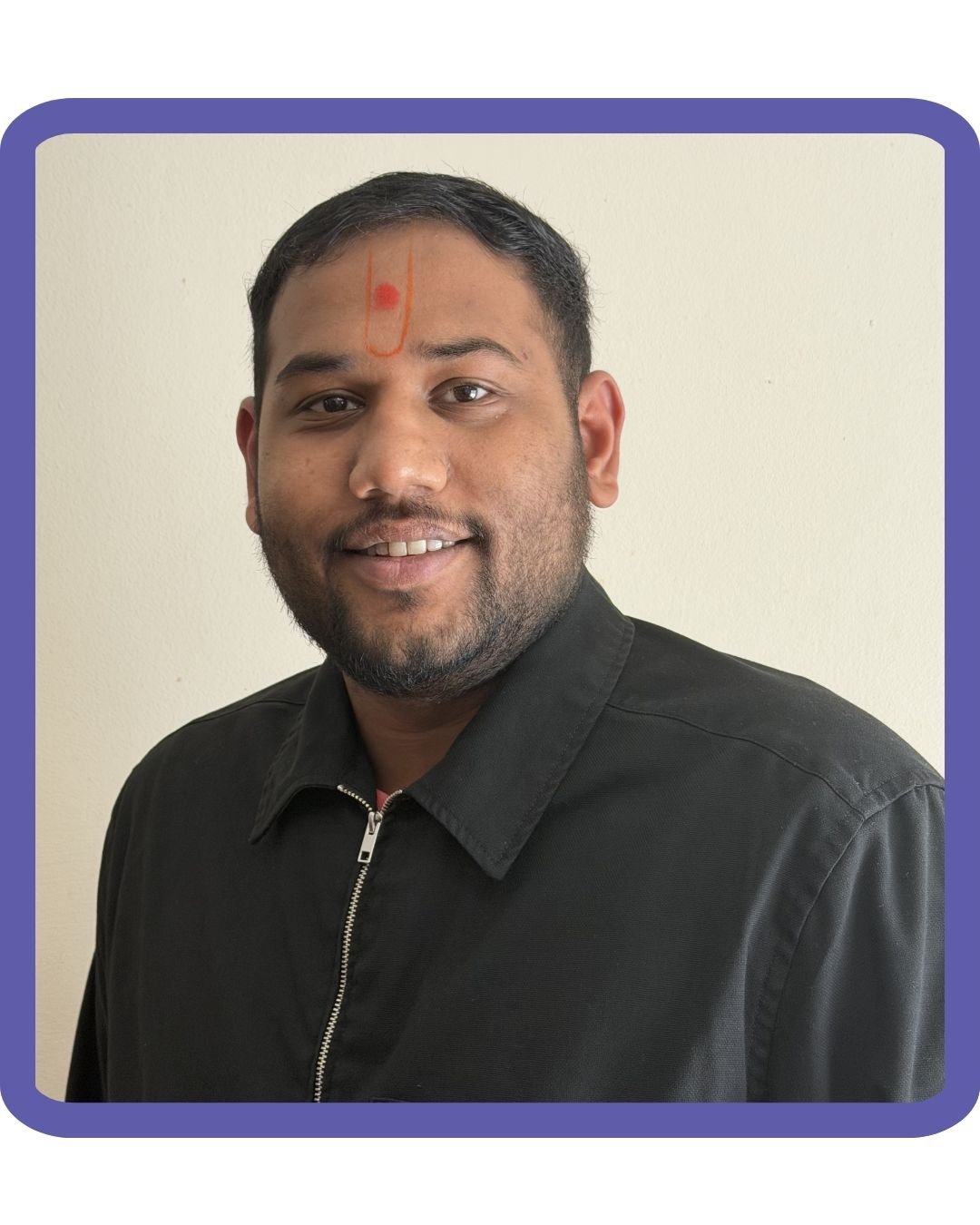
Meet Neet Patel, a Software Development and Network Engineering student at Davis Campus! An adaptable leader who is passionate about promoting Ease of Transportation across campuses.
-
Mahant Swami Maharaj inspires the way I show up as a leader. His lifelong dedication to selfless service, humility, and guiding millions toward spiritual focus and ethical living—through BAPS’s global humanitarian efforts and teachings like “Satsang solves all problems”—motivates me to lead with unwavering truthfulness, empathy, and commitment to helping users navigate life’s complexities.
-
Rising tuition costs and mental health service cuts from international enrollment declines.
-
“Mental health support amid enrollment uncertainty.”
What are some of the student issues that you would like to bring to the Board table?

Why is Transportation the area YOU ARE MOST PASSIOnate ABOUt?

Many students live far from campus and rely on long, costly, and exhausting commutes to attend classes. For commuting students, transportation is not just an inconvenience—it directly affects academic performance, attendance, mental well-being, and overall access to education. As colleges expand across multiple campuses and serve increasingly diverse student populations, the lack of reliable and affordable transportation between campuses creates an unnecessary barrier to success.
To address this issue, the college should implement dedicated transportation initiatives that support commuting students and improve inter-campus connectivity. One of the most impactful solutions would be a scheduled inter-campus shuttle system operating during peak academic hours. These shuttles would provide safe, free, or low-cost transportation for students traveling between campuses for classes, labs, or college services. A pilot program could initially run on high-demand routes to assess usage and effectiveness before expanding further.
In addition to shuttle services, the college could introduce a student-only carpooling program. By using campus verification, students could be matched with peers who share similar schedules or live in nearby areas. This approach would reduce transportation costs, ease parking demand, and foster a stronger sense of community while maintaining safety and accountability.
Partnerships with local public transit authorities should also be explored. Discounted or subsidized transit passes for students would significantly reduce commuting expenses, particularly for those who depend on buses or trains. Coordinating class schedules with transit timetables and establishing clearly marked “campus connector” routes would further improve reliability and accessibility.
For campuses located within close proximity, investment in bike and e-scooter programs could provide an efficient and environmentally friendly option. Secure bike storage, well-lit pathways, and affordable rental programs would encourage sustainable commuting while reducing traffic congestion.
Importantly, all transportation initiatives should be informed by student data. Conducting surveys to understand where students commute from, how often they travel between campuses, and the challenges they face will ensure that resources are allocated effectively. These initiatives can be framed not only as logistical improvements but also as commitments to equity, sustainability, and student well-being.
By investing in comprehensive transportation solutions, the college can remove a significant barrier to education, support commuter students, and create a more inclusive and connected campus environment.
“I want to make a mark on campus by leading SSU with selfless service.”

-
Many students live far from campus and face long, costly, and exhausting commutes to participate fully in college life. For commuting students, transportation is more than a logistical challenge—it directly affects academic engagement, access to extracurricular activities, mental well-being, and overall sense of belonging. This challenge becomes even more significant for students who are active across multiple campuses and wish to contribute beyond the classroom.
As an active student who participates in a wide range of on-campus activities across campuses, I have personally experienced the difficulties of inter-campus travel. Despite strong motivation to stay involved, transportation barriers often limit students’ ability to attend meetings, events, and collaborative initiatives. I am also a member of the Sheridan Satsang Club, which promotes messages of harmony, unity, and positive values among youth and the broader community. Through this involvement, I have seen how meaningful student engagement can bring people together—but only when access is equitable and inclusive.
To address this issue, the college should implement transportation initiatives specifically designed to support commuting students and strengthen inter-campus connectivity. A scheduled inter-campus shuttle service operating during peak academic and extracurricular hours would provide a reliable, safe, and affordable option for students traveling between campuses for classes, club activities, and college
-
Mental health and wellness services.
Neet’s leadership style:
As a leader, what is neet more likey to do on the board?




"Student Leadership SHOULD feel more empowering and less performative.” - Neet
As a reminder, you will need to vote for campus-specific representatives, but all Board discussions are passed when every Board member is involved. Take a look at all of your campus representatives, stop by their campaign booths, and make an informed decision on March 16 - March 20.